
Uncategorized
Popular Painkiller in 2026
Jul
Acetaminophen
Explanation of what acetaminophen is:
Acetaminophen, also known as paracetamol in some regions, is a widely used OTC medicine classified as a non-opioid analgesic and antipyretic.
It is primarily used to relieve pain and reduce fever. Unlike nonsteroidal anti-inflammatory drugs (NSAIDs) like ibuprofen, acetaminophen has limited anti-inflammatory properties and mainly works within the central nervous system to lower pain and fever by inhibiting the production of prostaglandins.
Dosage guidelines:
The recommended dosage of acetaminophen can vary depending on age, weight, and individual factors. It’s important to follow dosing instructions on the drug label or as directed by a healthcare expert. General guidelines include:
- For adults and children over 12 years: Typically, 500 mg-1000 mg every 4-6 hours as needed. The maximum daily dose should not exceed 4,000 mg (4 grams).
- For children under 12 years: Dosage is based on weight and age, and it’s essential to follow the specific dosing instructions provided for pediatric formulations. Care should be taken to avoid exceeding the recommended dose.
It’s crucial to avoid taking multiple products containing acetaminophen simultaneously, as exceeding the maximum daily dose can lead to liver damage.
Common brand names:
Acetaminophen is available under various brand names and as a generic medication. Some common brand names for acetaminophen include:
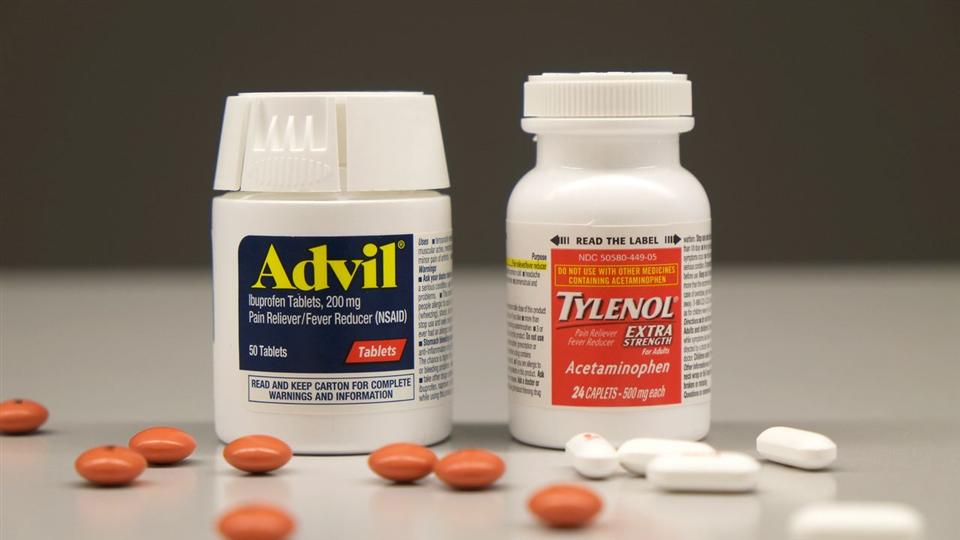
- Tylenol
- Panadol
- Excedrin (which combines acetaminophen with other ingredients)
Generic versions of acetaminophen are often labelled simply as “acetaminophen” or “paracetamol.”
Possible side effects:
While this drug is generally considered safe when used as directed, it is not without potential side effects. Common side effects may include:
Nausea: Some individuals may experience mild stomach upset or nausea when taking acetaminophen.
Liver Damage: High doses or prolonged use of acetaminophen can lead to liver damage. It is essential not to exceed the recommended dosage and to avoid combining acetaminophen with alcohol, as both can strain the liver.
Allergic Reactions: Although rare, allergic reactions to acetaminophen can occur, leading to symptoms such as rash, itching, swelling, severe dizziness, or difficulty breathing. You should seek urgent medical attention if any signs of an allergic reaction occur.
Ibuprofen
Explanation of what ibuprofen is:
Ibuprofen is an NSAID commonly used as an over-the-counter (OTC) medication to relieve pain, reduce inflammation, and lower fever. It belongs to a class of drugs known for their anti-inflammatory and analgesic (pain-relieving) properties.
Ibuprofen works by inhibiting enzymes called cyclooxygenases (COX), which play a role in producing prostaglandins – chemicals that promote pain, inflammation, and fever in the body. By reducing prostaglandin production, ibuprofen effectively alleviates these symptoms.
Dosage guidelines:
Dosage guidelines for ibuprofen can vary based on age, weight, and the specific product being used. You must follow the dosing instructions provided on the drug label or as directed by a healthcare expert. Here are general dosage guidelines:
For adults and children over 12 years:
- Typical dose: 200 to 400 mg every 4 to 6 hours as needed.
- Maximum daily dose: 1200 mg (1.2 grams) to 2400 mg (2.4 grams), but the specific maximum dose may vary depending on the country and product.
Common brand names: Ibuprofen is available under various brand names, and many of these brands also offer generic versions of the drug.
Some common brand names include:
- Advil
- Motrin
- Nurofen (in some countries)
- Caldolor (prescription)
- Brufen (in some countries)
- Midol (may contain ibuprofen for menstrual pain relief)
Please note that the availability of brand names may vary by region, and there are often store-brand or generic alternatives that contain ibuprofen.
Possible side effects: Ibuprofen is generally considered safe when used at the recommended doses and for short-term use. However, like any medication, it can have side effects. Common side effects may include:
- Upset stomach or heartburn
- Nausea
- Headache
- Dizziness
- Rash or itching
More acute side effects are rare but can occur, especially with prolonged or high-dose use. These may include:
- Gastrointestinal bleeding or ulcers
- Kidney problems
- Liver damage
- Allergic reactions (such as swelling, hives, or issues in breathing)
Aspirin
Explanation of what aspirin is: Aspirin is a nonsteroidal anti-inflammatory drug (NSAID) that generally functions as an analgesic (pain reliever), antipyretic (fever reducer), and anti-inflammatory agent. It works by inhibiting enzymes in the body that produce prostaglandins, which are chemicals responsible for inflammation, pain, and fever.
In addition to its role as a pain killer, aspirin has anticoagulant properties, meaning it can help prevent blood clots, and it is sometimes used for this purpose in lower doses.
Dosage guidelines: The recommended dosage of aspirin varies depending on the condition being treated, the age of the person, and whether it’s being used for pain relief, fever reduction, or as an antiplatelet (to prevent blood clots). Here are some general dosage guidelines:
Pain relief and fever reduction:
For adults: The usual dose is 325 to 650 mg every 4-6 hours as needed. The maximum daily dose should not exceed 4,000 mg.
Antiplatelet (blood thinning) use:
Low-dose aspirin (usually 81 mg or 100 mg) is often prescribed for its antiplatelet effects to lower the risk of strokes and heart issues. A healthcare provider should determine the recommended dose for this purpose.
Always follow the dosing instructions on the medication label or those provided by a healthcare professional, and consult a healthcare provider for specific guidance.
Common brand names: Aspirin is available under various brand names and generic formulations. Some common brand names include:
- Bayer
- Bufferin
- Ecotrin
- Excedrin (may contain aspirin in some formulations)
- Anacin (may contain aspirin in some formulations)
Generic versions of aspirin are also widely available and tend to be less expensive.
Possible side effects: While aspirin is generally safe when taken as directed, it can have side effects, especially when taken in high doses or for prolonged periods. Common side effects may include:
- Upset stomach
- Heartburn
- Nausea
- Vomiting
- Stomach pain
